
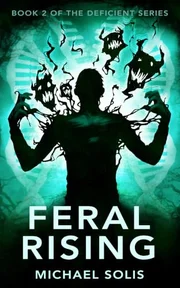

In a world filled with people possessing fantastic powers, 15-year-old Alé Aragón was once deemed a Deficient, lacking an “accelerated ability” that many others have. But he survived a brutal fight, marking him as a Feral, a designation that means his ability—to come back from the dead—is outside the Common Six (such as the telekinesis practiced by “Mind Movers”). People now treat him almost as poorly as when he was a Deficient. Alé attends an assignation ceremony in which the prefectural governor announces the career paths that academy students like Alé will take. He trains to be part of the classified Blue Stars intelligence unit; because he can’t reveal specifics (“All affairs of the Blue Stars are kept private, for security purposes”), he’s effectively isolated from his comrades, including his best friend, Yalamba (who’s also a Feral; her drawings come to life). Alé excels in his training, despite the occasional malfunctioning equipment during simulations. Could this be attempted sabotage? In this tautly written tale, Solis tackles themes of bigotry: While Alé, who’s queer, receives no hate for his sexual orientation, others act as if his “passive” ability makes him worthless. The story’s symbolism is sometimes a bit on the surface—Alé had been “misclassified” for years. Still, the animosity thrown at him is heartbreakingly realistic as the loathsome attitudes of his father and brothers fracture the family. Alé’s entanglement in something shady deepens as the narrative rolls along, with each scene seeming to deliver a new surprise and someone else Alé must keep an eye on, for reasons of suspicion or concern. Alé is an easy protagonist to root for—he’s smart and resourceful, and he doesn’t let his mistakes completely derail him. His doggedness leads him to some startling revelations, a nerve-wracking confrontation, and an ending that will surely leave readers eager for the next installment.