
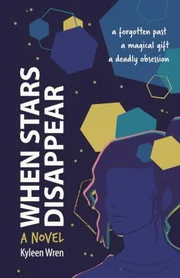

It’s 2023, and it’s been two weeks since Beatrice Carter awoke from seizure-induced unconsciousness, and she still has no idea who she is. The only identification on her person was a gym membership card, and even then, she’s unsure if the name on the ID is truly hers, as a police search yielded no results: “Beatrice knew who the president was, how to drive a car, and where to get the best chicken marsala in Fairview [in Upstate New York],but her own hands were foreign things.” She has a scar above her eye, which she apparently got during the seizure. She sets out to find clues to her identity by following the pull of déjà vu. It’s a frightening ordeal—after all, she’s forced to second-guess not only who she is, but also the intentions of others. “So, we don’t know each other then?” she asks someone at one point. Is she the Bea “who owns the bookshop and bakery across the street”? Then there’s the case of gallery owner Vivian Sterling, the only witness to her accident—who can’t quite place her, at first. Flashback sequences from the protagonist’s childhood detail her great-grandmother Gigi’s battle with a strange form of dementia that seems to plague the family. This shadowy trip into Bea’s past brings forth new revelations, and there’s one shadowy figure in particular who benefits from Bea not knowing the truth. Over the course of this novel, Wren offers readers an edgy twist on journeys of self-discovery, adding in elements of romance and betrayal. Throughout, Beatrice never knows who to trust, and the prose vibrates with the resulting tension: “Maybe there was a reason she didn’t remember everything, and maybe she was better off for it. Maybe this blank slate really was a blessing.” As Bea comes to understand just what took her memory away, the good and bad aspects of such knowledge effectively come to the fore.