
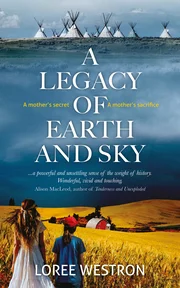

As the story opens, 12-year-old Dylan Dearborne is yearning for a bit of permanence. She and her mother, Maggie, are living in Springfield, Oregon, in the early 1980s with a nice, decent man named Joe and his teen daughter, Anna. Maggie’s been wandering aimlessly with Dylan for years (“She’d been shuffled from one place to the next her entire life, torn from any attachments she’d made, time and again”), but it finally seems like they’ve found a real home; Dylan’s even hoping to attend junior high in the fall, and Joe’s gone so far as to buy a ring. But the call of the vagabond life is too strong for Maggie, and soon mother and daughter are on the road again, with Dylan always looking in the rearview mirror, hoping that Joe and the stability he briefly represented are following them. She encounters a possible version of this when she returns to the Nez Perce reservation in Idaho from which her mother fled years before. As she settles in, Dylan discovers a diary her mother has kept a secret, a diary that might shed light on a past that Dylan has always found maddeningly vague. Uncovering history is likewise the theme of the parallel narrative the author interweaves with that of Dylan and her mother—steadily, throughout the book, readers are taken through the history of the Nez Perce, from their creation myth to their initial encounters with the famous Lewis and Clark expedition (Westron includes the fact that William Clark fathered a child with a Nez Perce woman) and all of their subsequent dealings and treaties with the white people steadily encroaching on their ancestral lands.
The author handles this dual-narrative framework with considerable skill, moving the Maggie-Dylan story ahead by days or hours while advancing the Nez Perce timeline by years and sometimes decades, always with a teased personal connection between the two threads that grows in strength as the novel progresses. Dylan feels a deepening connection with the Nez Perce school as readers are given glimpses of the community’s past. Dylan is certain that her mother’s photo album contains “the only stories she needed,” and readers will be caught up in her journey of personal revelations. Westron conveys the world of the ancient Nez Perce (and its initial discovery by outsiders) with exultant prose that’s deeply affecting: “And beneath the bunch grass, the soil they [the original white settlers of Nez Perce land] found was the color of the coffee they drank when they could afford the beans, so dark and rich that even the city men among them could recognize its worth.” The only flaw in this fascinating historical narrative is its tendency to overwhelm the more relatable story of a young woman looking for her own identity. By the time the novel ends (in currents of predictable exploitation and injustice), readers will know much about the Nez Perce, but perhaps not as much as they’d like to know about Maggie and her daughter.