
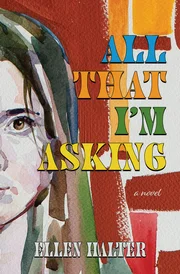

Alice Kaplan is looking forward to finishing her studies at Cornell University when her father’s sudden death forces her to stay in New York City and help her mother. Hoping to make her name as a journalist, she joins the staff of a feminist newspaper. Her assignments, along with her debates with other staff members, draw her into the most important political and artistic movements of the late 1960s. She meets poet Audre Lorde and feminist Gloria Steinem, and she attends the protest before Richard Nixon’s inauguration. Alice’s consciousness is raised; friends and acquaintances help her understand structural racism and homophobia, as well as the horrors of the Vietnam War and the injustice of the draft. Meanwhile, her personal life is tumultuous—her college boyfriend, Pete, turns out to be a rat; her oldest friend, Darlene, falls in with some criminals; and she struggles to forge an adult relationship with her mother. At home and out in the world, Alice must absorb these new experiences and decide what she stands for as a writer, an activist, and a woman. Her journeys through the counterculture are thorough and illuminating; she engages with the major political movements of the day via lively characters who clearly articulate their travails and aspirations: “If you swallow tyrannies day by day,” Lorde says, “you sicken and die.” The novel is especially adept at outlining the challenges of intersectional feminism and identifying the misogyny embedded in the antiwar movement and leftist politics. Halter’s depictions of abortion and rape culture are refreshingly frank and realistic, and all too timely. The depiction of the era does lack some hoped-for sensory detail; the dialogue can read as flat and pro forma, in contrast to the depth of Alice’s character and her evolving inner life.